Advertisement
Ad

Slope Sex Position

Learn how to do the Slope Sex Position. Complete guide with step-by-step instructions, health benefits, variations and comfort tips.
Kneeling Or Standing Intermediate Moderate to high
Difficulty
Intermediate
Intimacy
Moderate to high
Flexibility
Moderate
Best For
Adventurous partners who
Advertisement
Ad

What is the Slope Sex Position?

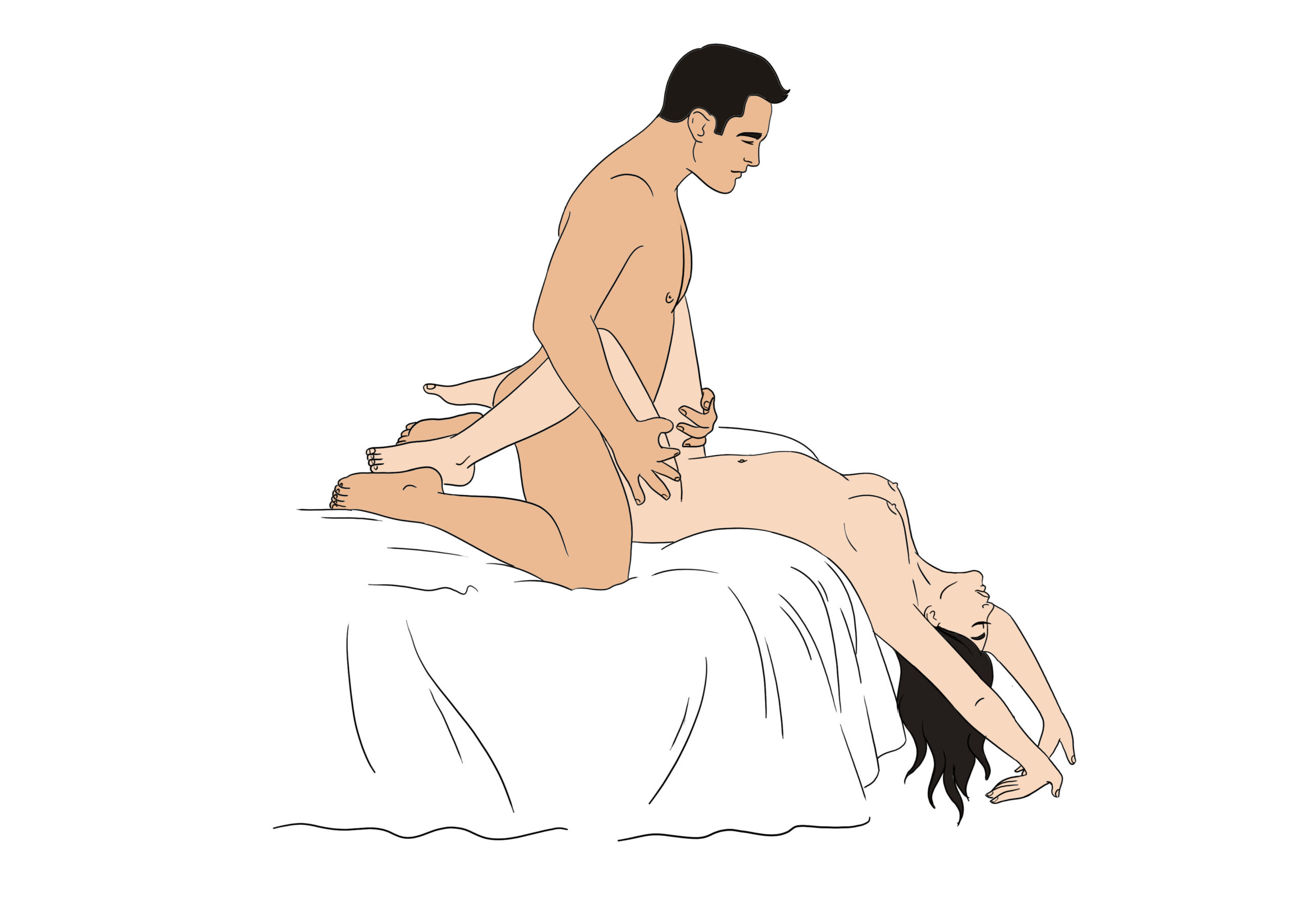
The Slope is a daring, energy-packed intimate position that combines balance, strength, and passion. Falling within the kneeling or standing category, it challenges both partners to maintain an angled body configuration that creates a distinctive downward slope. This intermediate pose suits adventurous couples seeking a thrilling physical and emotional connection that pushes them to new intimate heights.

Quick stats

  • Difficulty: Intermediate
  • Intimacy level: Moderate to high
  • Flexibility required: Moderate
  • Best for: Adventurous partners who enjoy physically engaging positions that build trust and stamina

How to do the Slope Sex Position

  1. Partner A begins by kneeling on a stable, comfortable surface, positioning their body at a forward-leaning angle with arms extended to the ground for support, creating the signature downward slope from hips to hands.
  2. Partner B positions themselves behind partner A, either kneeling upright or standing depending on the height difference, aligning their hips with partner A’s elevated hips.
  3. Partner A engages their core and arms to maintain the angled slope, while partner B holds partner A’s hips or waist firmly for shared stability.
  4. Both partners find a synchronized rhythm, with partner B guiding the pace while partner A uses their arms and knees to control depth and angle.
  5. Maintain open communication throughout, adjusting the steepness of the slope and the pace to ensure both partners remain comfortable and balanced.

Health and wellness benefits

  • Full-body strength engagement: Partner A activates their core, shoulders, and arms to sustain the angled posture, while partner B builds lower-body and hip-stabilizer strength, making this position a genuine functional workout.
  • Enhanced trust and communication: Because both partners must coordinate balance and movement simultaneously, this position naturally deepens emotional intimacy and reinforces nonverbal communication skills between partners.
  • Improved proprioception and body awareness: Maintaining the slope angle challenges spatial awareness and balance for both partners, which can translate into better coordination and physical confidence outside the bedroom.

Variations

Supported Slope

Partner A rests their forearms flat on the surface instead of extending their arms fully, reducing the angle and the physical demand while maintaining the core sensation of the position.

Elevated Slope

Partner A places their hands on the edge of a bed or sturdy piece of furniture, raising the upper body to create a gentler incline that accommodates partners with wrist sensitivity or differing heights.

Standing Slope

Partner B stands fully upright while partner A angles forward from a kneeling position on an elevated surface, intensifying the energy and physical challenge for both.

Comfort and safety tips

  • Place a folded blanket or cushion beneath partner A’s knees and palms to reduce joint pressure, especially important for partners with larger body frames or sensitive joints.
  • Partners with significant height differences should experiment with pillows, a low platform, or the elevated variation to align hips comfortably without straining.
  • Start with a shallow slope angle and gradually increase steepness as both partners build confidence — never push past a comfortable range of motion.

Frequently asked questions

How do I maintain balance in this position?

Focus on core engagement and keep your base wide. Partner A should spread their knees to hip width or slightly beyond, while partner B maintains a firm but gentle grip on partner A’s hips. A non-slip surface or yoga mat underneath helps tremendously.

Is this position suitable for beginners?

It is rated intermediate because it demands sustained strength and coordination from both partners. Beginners can work up to it by trying the supported slope variation first, which requires less upper-body endurance from partner A.

How can we make this position more intimate?

Partner B can lean forward along partner A’s back to allow skin-to-skin contact and whispered communication, which increases emotional closeness. Slowing the pace also shifts the focus from athletic intensity to deeper connection.

Related positions

If you enjoy the kneeling dynamic and physical intensity of this position, explore the Satyr Sex Position for a similarly energetic configuration, or try the Corkscrew Sex Position for a creative twist on angled entry that challenges balance in a different way.

You might also enjoy

Related Positions

Kneeling Or Standing Intermediate

Face Off Sex Position

Learn how to do the Face Off Sex Position. Complete guide with step-by-step instructions, health benefits, variations and comfort tips.
Kneeling Or Standing Intermediate

Gimlet Sex Position

Learn how to do the Gimlet Sex Position. Complete guide with step-by-step instructions, health benefits, variations and comfort tips.

Kneeling Or Standing Intermediate

Eiffel Tower Sex Position

Learn how to do the Eiffel Tower Sex Position. Complete guide with step-by-step instructions, health benefits, variations and comfort tips.