Advertisement
Ad

Donkey Punch Sex Position

Learn how to do the Donkey Punch Sex Position. Complete guide with step-by-step instructions, health benefits, variations and comfort tips.
Acrobatic Advanced Moderate to high
Difficulty
Advanced
Intimacy
Moderate to high
Flexibility
Moderate to high
Best For
Adventurous couples seeking
Advertisement
Ad

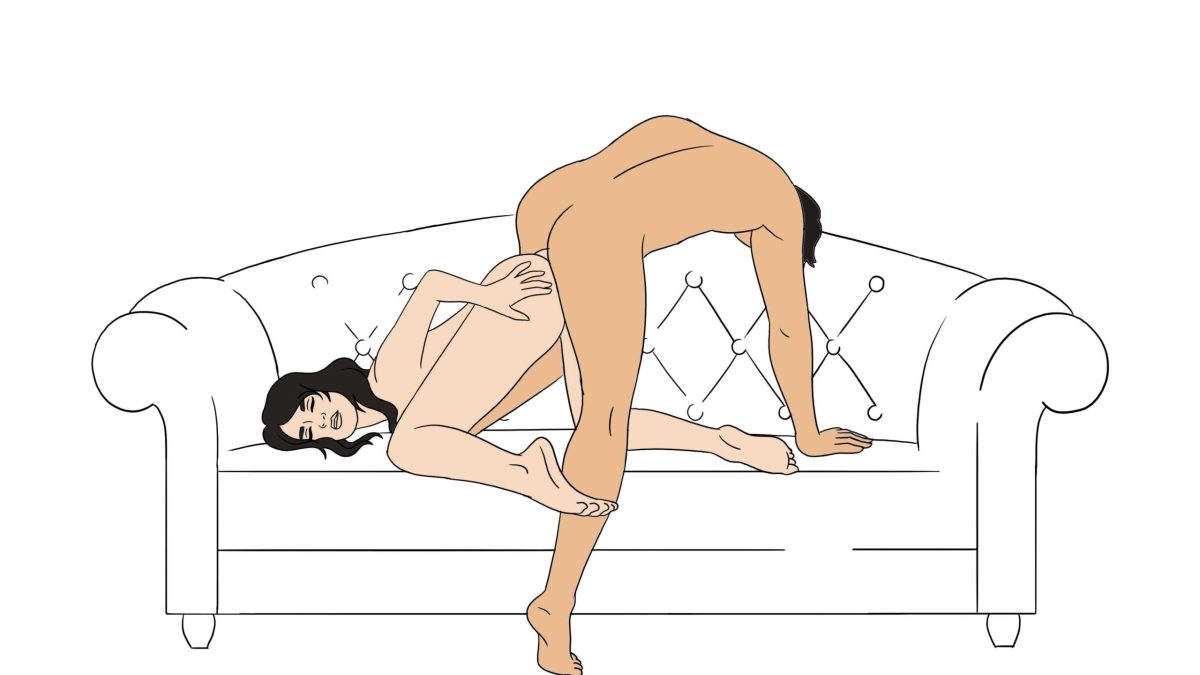
What is the Donkey Punch Sex Position?

The Donkey Punch Sex Position is an advanced, acrobatic configuration that blends playful energy with genuine intimacy. Designed for adventurous couples, it combines kneeling and standing elements to create a creative experience that prioritizes connection. Despite its dynamic nature, the position maintains a surprising degree of comfort and balance for both partners.

Quick stats

  • Difficulty: Advanced
  • Intimacy level: Moderate to high
  • Flexibility required: Moderate to high
  • Best for: Adventurous couples seeking playful connection with an acrobatic element

How to do the Donkey Punch Sex Position

  1. Partner A begins in a stable kneeling position on a supportive surface, ensuring their knees and lower body are comfortably grounded.
  2. Partner B positions themselves standing or in a raised stance behind or alongside partner A, adjusting height so both partners can maintain easy alignment.
  3. Both partners work together to establish a balanced connection point, with partner A bracing gently and partner B using their standing position for controlled movement.
  4. Partner A adjusts their upper body angle — leaning slightly forward or upright — to find the configuration that feels most comfortable and connected for both.
  5. Both partners maintain open communication throughout, using slow, deliberate movements to sustain balance and deepen the sense of playful intimacy.

Health and wellness benefits

  • Core and lower body engagement: The kneeling-to-standing dynamic requires both partners to activate core stabilizers, glutes, and thigh muscles, offering a mild functional workout that supports joint stability over time.
  • Enhanced trust and communication: Because balance is a shared responsibility, this position naturally encourages verbal and nonverbal check-ins, strengthening emotional trust between partners.
  • Stress relief through playfulness: The creative, lighthearted nature of the position can lower inhibitions and promote the release of endorphins and oxytocin, supporting overall emotional well-being.

Variations

Supported Lean

Partner A rests their forearms on a sturdy piece of furniture such as a bed edge or ottoman, reducing strain on the wrists and allowing both partners to sustain the position longer with less fatigue.

Wall-Assisted Balance

Partner B stands near a wall and uses one hand against it for added stability, making this variation more accessible for couples still building confidence with advanced configurations.

Low Kneel

Both partners lower their overall stance — partner A in a deep kneel and partner B in a half-squat — reducing the height differential and creating a more grounded, controlled experience.

Comfort and safety tips

  • Place a thick cushion or folded blanket beneath partner A’s knees to protect joints, especially important for individuals with knee sensitivity or larger body frames that carry more pressure on kneeling surfaces.
  • Couples with significant height differences should use a low platform or adjust the kneeling surface height so alignment feels natural rather than strained for either partner.
  • Start slowly and establish a stop word before beginning — advanced positions require ongoing consent and the ability to pause immediately if balance shifts or discomfort arises.

Frequently asked questions

Is this position safe for beginners to try?

Because it is classified as advanced, beginners should build comfort with simpler kneeling and standing configurations first. Once both partners feel confident with balance and communication, they can gradually explore this position using the supported variations described above.

What surfaces work best for this position?

A firm mattress or padded floor area provides the best combination of cushioning and stability. Avoid slippery surfaces, and consider a yoga mat beneath the kneeling partner for added grip and joint protection.

How can we maintain intimacy if we are focused on balance?

Verbal encouragement, gentle touch on accessible areas like shoulders or hips, and maintaining a relaxed pace all help keep emotional connection at the center. Over time, balance becomes more intuitive, freeing both partners to focus on closeness.

Related positions

Couples who enjoy this acrobatic style may also appreciate the Corkscrew Sex Position for its creative angles, the Slope Sex Position for a similarly dynamic standing-and-kneeling interplay, or the Gimlet Sex Position for another advanced configuration that rewards balance and trust.

You might also enjoy

Related Positions

Acrobatic Advanced

Pretzel Sex Position

Learn how to do the The Pretzel. Complete guide with step-by-step instructions, health benefits, variations and comfort tips.

Acrobatic Advanced

Hand Stand Sex Position

Learn how to do the Hand Stand Sex Position. Complete guide with step-by-step instructions, health benefits, variations and comfort tips.
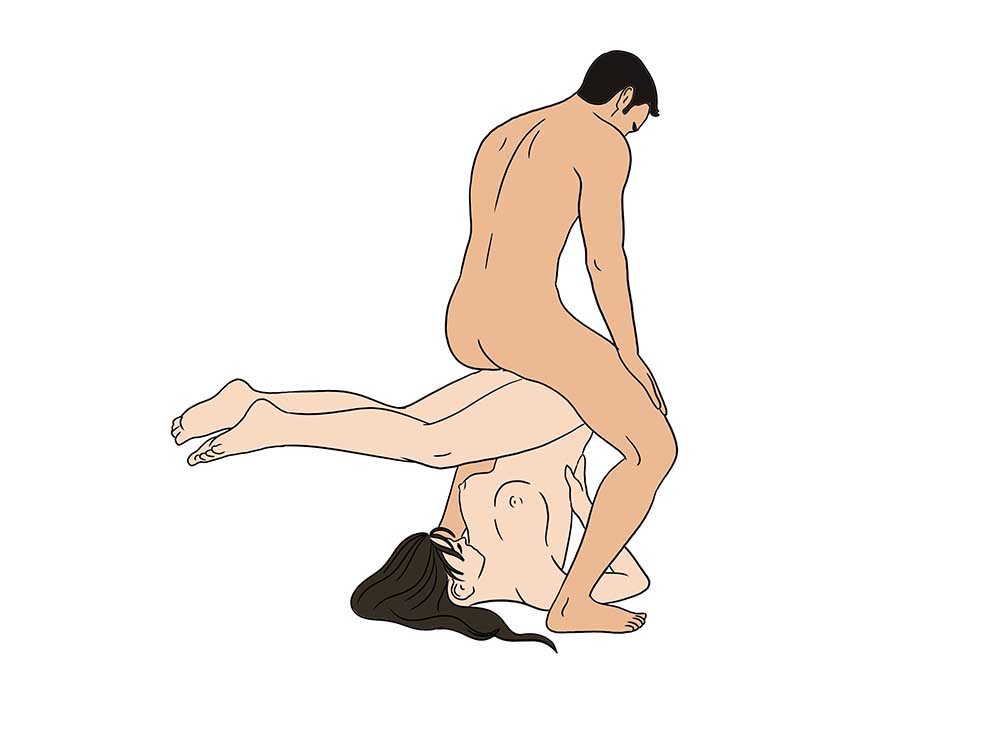
Acrobatic Advanced

Butter Churner Sex Position

Learn how to do the Butter Churner Sex Position. Complete guide with step-by-step instructions, health benefits, variations and comfort tips.