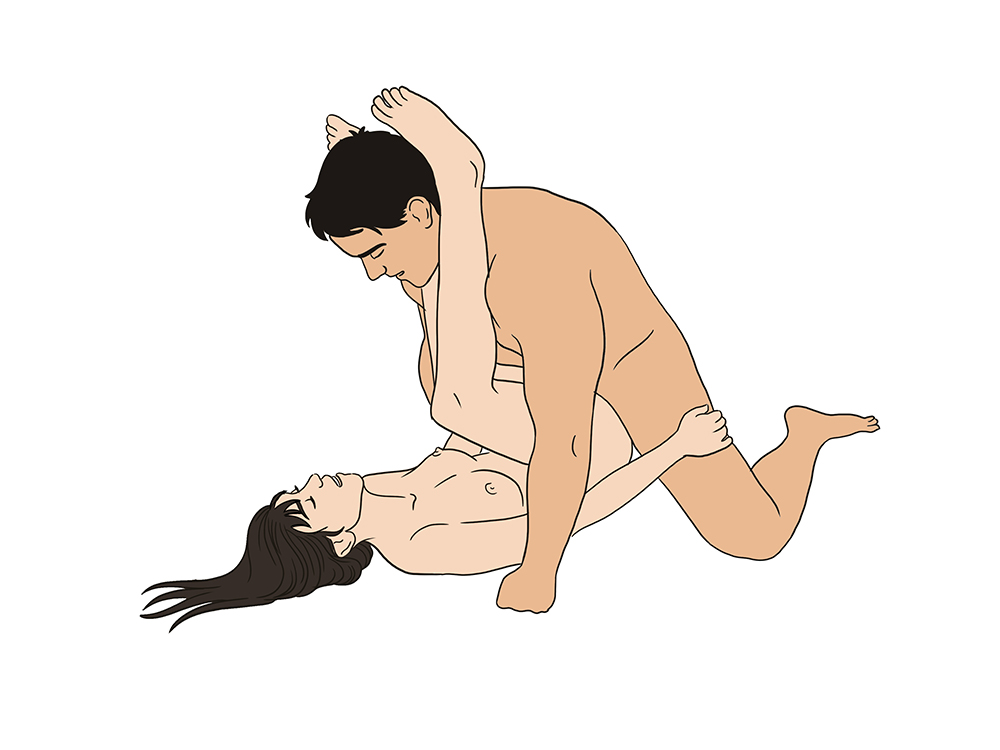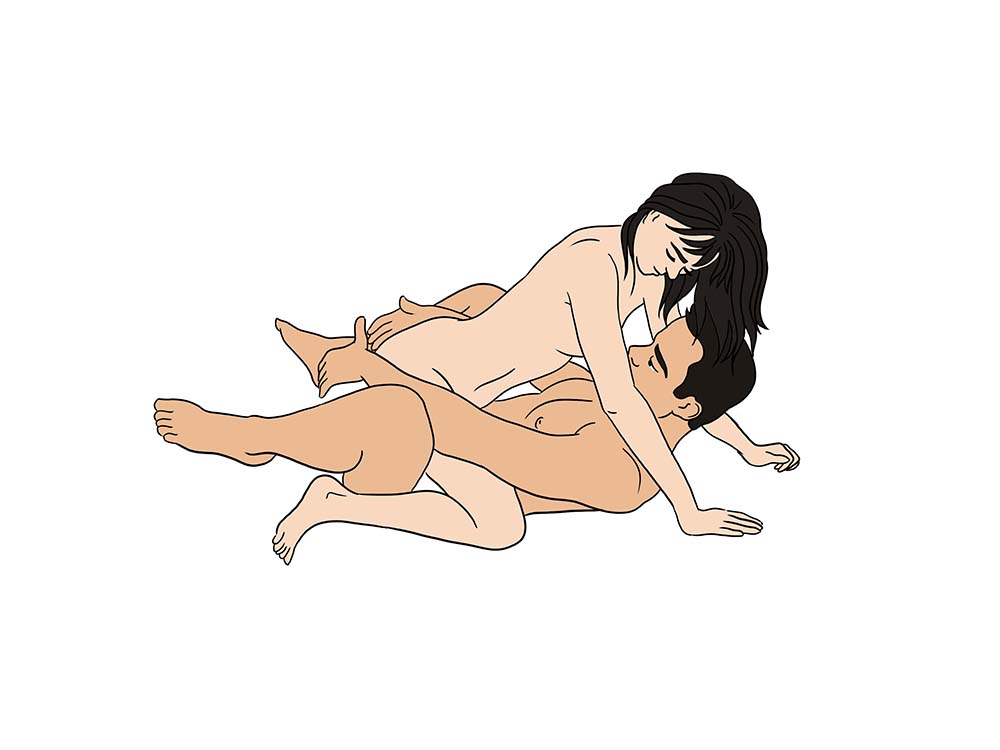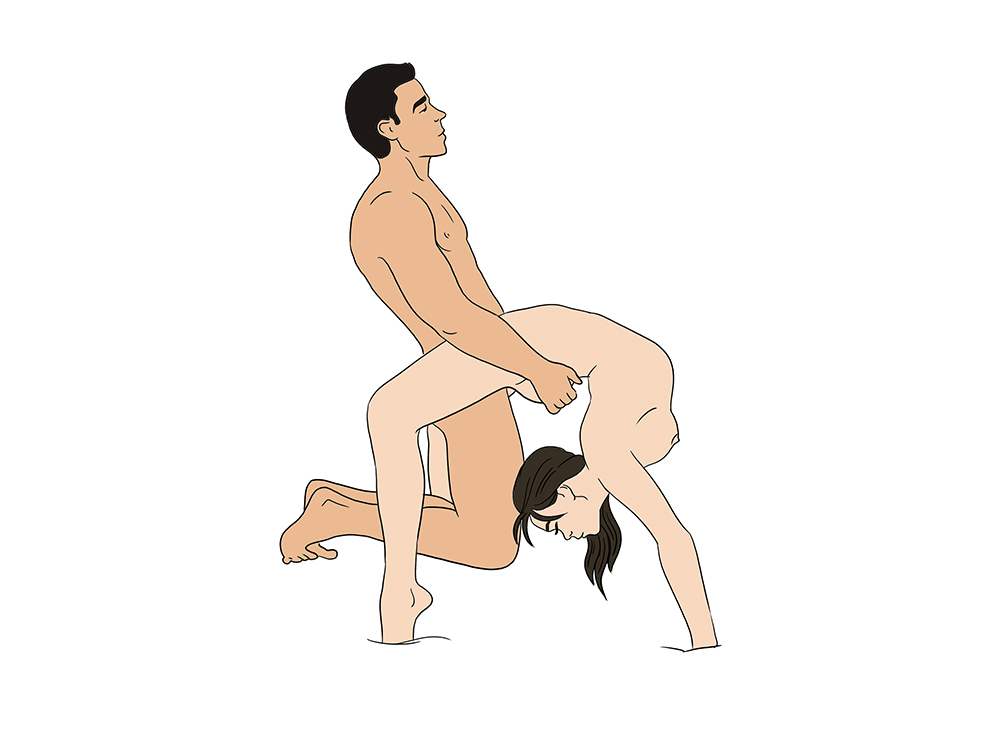
Acrobatic
Advanced
Waterfall Sex Position
Learn how to do the Waterfall Sex Position. Complete guide with step-by-step instructions, health benefits, variations and comfort tips.
Learn how to do the Crazy Criss-Cross. Complete guide with step-by-step instructions, health benefits, variations and comfort tips.
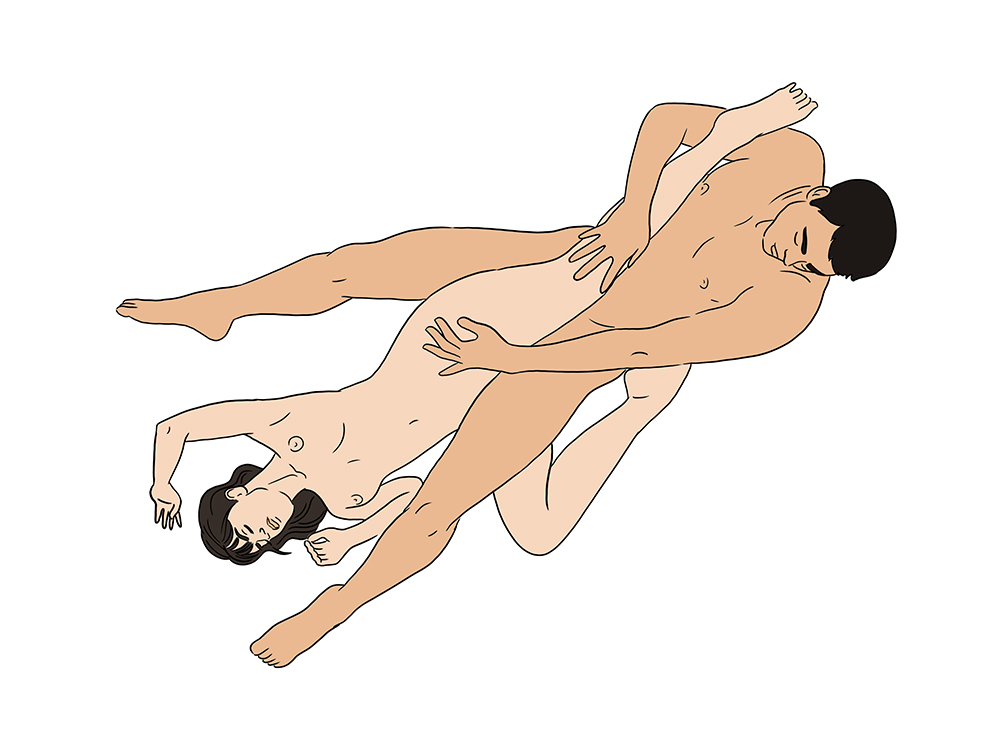
The Criss-Cross Sex Position is an advanced acrobatic position where partners intertwine their bodies so that legs cross over one another, bringing feet into unusually close proximity to faces and upper bodies. This configuration creates a uniquely intimate experience that challenges flexibility and comfort boundaries alike. It’s best suited for adventurous couples who enjoy testing their physical limits together.
Place a firm bolster or wedge pillow beneath both partners’ lower backs to reduce strain and elevate the hips into a more comfortable angle for sustained connection.
Only one partner crosses their legs over the other while the second keeps theirs flat or bent at the knees, reducing the flexibility demand while preserving the position’s distinctive feel.
Perform the position at the edge of a bed with one partner’s hips raised on the mattress and the other positioned lower, allowing gravity to assist alignment for partners with differing leg lengths or flexibility levels.
This is genuinely an advanced position that demands significant flexibility and body coordination from both partners. Couples new to acrobatic configurations should build comfort with simpler intertwined positions first before attempting it.
Foot proximity is a defining feature of this position, so sensitivity around it is completely normal. Wearing soft socks, ensuring thorough hygiene beforehand, or trying the Half-Cross variation can all help ease discomfort while you explore your boundaries together.
Height and proportion differences are common challenges here. Using pillows to adjust hip height, trying the Elevated Criss-Cross variation at a bed’s edge, or simply allowing one partner’s legs to rest higher on the other’s body can create workable alignment for most body type combinations.
If you enjoy the acrobatic challenge of the Criss-Cross Sex Position, explore the Corkscrew Sex Position for another creative angled configuration, or try the Crazy Upside-Down Squat for an equally adventurous full-body experience that tests balance and coordination in different ways.
You might also enjoy
Learn how to do the Waterfall Sex Position. Complete guide with step-by-step instructions, health benefits, variations and comfort tips.
Learn how to do the Ass In The Air. Complete guide with step-by-step instructions, health benefits, variations and comfort tips.
Learn how to do the Tenth Posture of The Perfumed Garden. Complete guide with step-by-step instructions, health benefits, variations and comfort tips.