Advertisement
Ad

Breeze Sex Position

Learn how to do the Breeze Sex Position. Complete guide with step-by-step instructions, health benefits, variations and comfort tips.
Kneeling Or Standing Intermediate High
Difficulty
Intermediate
Intimacy
High
Flexibility
Moderate
Best For
Couples seeking slow
Advertisement
Ad

What is the Breeze Sex Position?

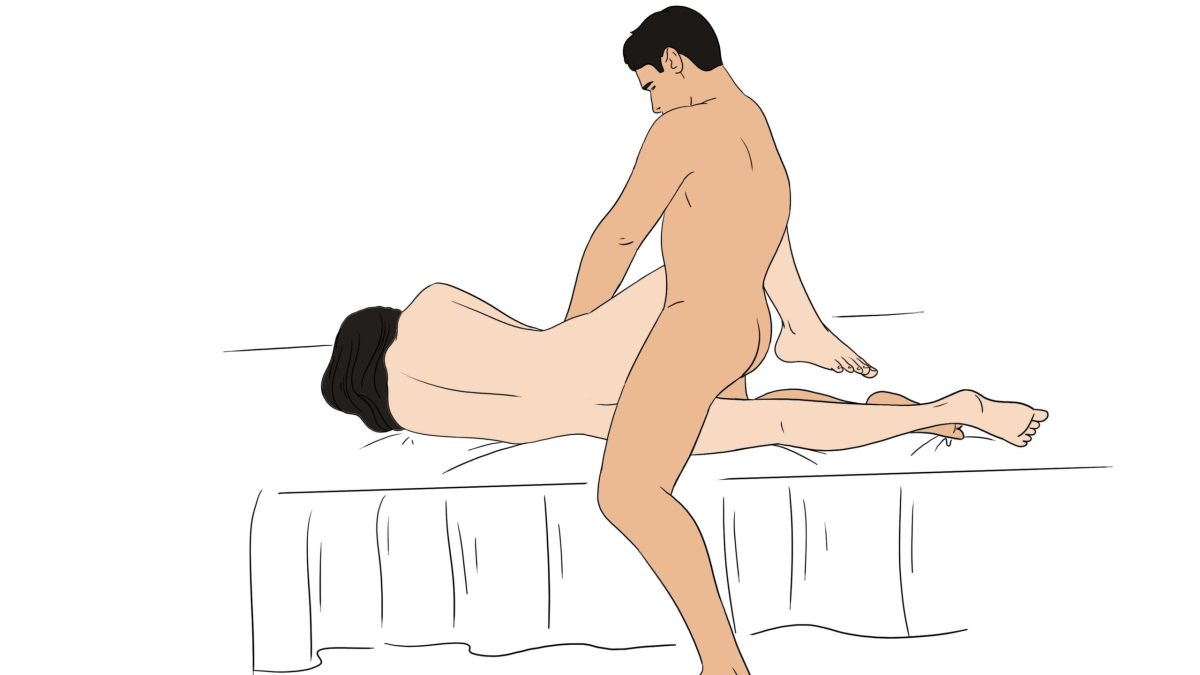
The Breeze Sex Position is a gentle, kneeling-and-standing arrangement where partner A is on top, creating an intimate connection defined by slow, soothing movements. Categorized as an intermediate position, it encourages couples to prioritize sensual rhythm over intensity, making it ideal for partners who want to savor closeness and truly appreciate each other’s presence.

Quick stats

  • Difficulty: Intermediate
  • Intimacy level: High
  • Flexibility required: Moderate
  • Best for: Couples seeking slow-paced, emotionally connected intimacy

How to do the Breeze Sex Position

  1. Partner B begins by lying back comfortably on a supportive surface, with knees slightly bent and feet resting flat for stability.
  2. Partner A kneels or stands between partner B’s legs, positioning themselves upright so they can maintain a clear line of sight and easy physical contact.
  3. Partner A gently leans forward just enough to achieve entry, keeping the upper body relatively upright to preserve balance and control.
  4. Both partners establish a slow, fluid rhythm — movements should feel unhurried and deliberate, mimicking the soothing quality that defines this position.
  5. Partner A uses their hands freely to caress partner B’s torso, hips, or legs, deepening the sensory experience while maintaining a steady, gentle pace throughout.

Health and wellness benefits

  • Core and postural engagement: Partner A activates the core, hip flexors, and thigh muscles while kneeling or standing upright, offering a low-impact form of muscular conditioning that supports everyday posture.
  • Stress reduction through pacing: The intentionally slow rhythm encourages mindful breathing and present-moment awareness, which can lower cortisol levels and promote a parasympathetic relaxation response in both partners.
  • Emotional bonding and trust: Sustained eye contact and unhurried touch stimulate oxytocin release, strengthening feelings of attachment and emotional safety between partners over time.

Variations

Elevated Breeze

Partner B rests on the edge of a bed or raised surface while partner A stands on the floor, reducing strain on partner A’s knees and allowing smoother movement with less effort.

Supported Breeze

Place a firm pillow or wedge beneath partner B’s hips to adjust the angle of contact, which can enhance comfort and sensation for both partners without changing the overall dynamic.

Leaning Breeze

Partner A leans further forward, bracing with one or both hands beside partner B, which closes the distance between bodies and adds the warmth of chest-to-chest closeness.

Comfort and safety tips

  • Knee protection: If partner A is kneeling, a folded blanket or thick cushion beneath the knees prevents discomfort and allows longer, more relaxed sessions — this is especially important on hard surfaces.
  • Adapting for different body types: Couples with height differences or varying flexibility levels should experiment with surface height and pillow placement under partner B’s hips until both partners feel naturally aligned and strain-free.
  • Communication throughout: Because this position thrives on slow, deliberate movement, checking in verbally about pace, pressure, and angle helps both partners stay comfortable and emotionally present.

Frequently asked questions

What makes the Breeze position different from other kneeling arrangements?

Its defining characteristic is the emphasis on slow, soothing rhythm rather than vigorous movement. The upright posture of partner A combined with the relaxed position of partner B creates a dynamic that naturally encourages gentle pacing and sustained eye contact.

Is this position suitable for beginners?

While rated intermediate due to the balance and core control required of partner A, beginners can ease into it by using the Elevated Breeze variation, which reduces physical demand. Starting slowly and communicating openly makes it accessible to most couples.

How can we maintain comfort during longer sessions?

Use adequate cushioning for partner A’s knees, ensure partner B’s lower back is well supported, and take brief pauses to adjust positioning. Switching between the standard and leaning variations also helps redistribute effort and prevent muscle fatigue.

Related positions

Couples who enjoy the Breeze may also appreciate the Slope Sex Position for a similarly angled dynamic, the Corkscrew Sex Position for a creative twist on connected intimacy, or the Venus Flytrap Sex Position for another arrangement that prioritizes closeness and controlled movement.

You might also enjoy

Related Positions

Kneeling Or Standing Intermediate

Kneeling Tripple Sex Position

Learn how to do the Kneeling Double Penetration. Complete guide with step-by-step instructions, health benefits, variations and comfort tips.

Kneeling Or Standing Intermediate

Bent Over Sex Position

Learn how to do the Bent Over Sex Position. Complete guide with step-by-step instructions, health benefits, variations and comfort tips.
Acrobatic Advanced

Ballerina Sex Position

Learn how to do the Ballerina Sex Position. Complete guide with step-by-step instructions, health benefits, variations and comfort tips.