Advertisement
Ad

Three Eyed Turtle Sex Position

Learn how to do the Turning – Three Eyed Turtle. Complete guide with step-by-step instructions, health benefits, variations and comfort tips.
Acrobatic Advanced Moderate
Difficulty
Advanced
Intimacy
Moderate
Flexibility
High for both
Best For
Experienced couples seeking
Advertisement
Ad

What is the Three Eyed Turtle Sex Position ?

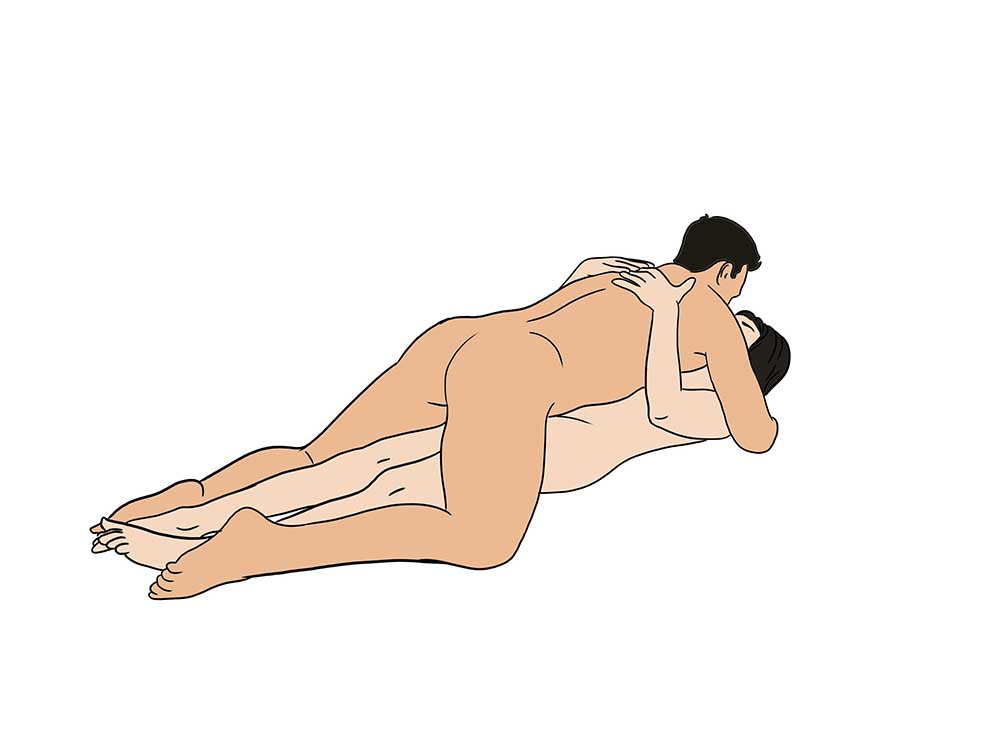
The Three Eyed Turtle is an advanced acrobatic position that serves as the fourth and final posture in a sequential four-position series. It involves a rotational transition during penetration, demanding exceptional body control and coordination from partner A. This position suits experienced couples who enjoy athletic, choreographed intimacy and want to push their physical boundaries together.

Quick stats

  • Difficulty: Advanced
  • Intimacy level: Moderate — focus is on physical achievement and shared accomplishment
  • Flexibility required: High for both partners
  • Best for: Experienced couples seeking athletic challenges and a sense of playful mastery

How to do the Three Eyed Turtle Sex Position

  1. Begin in the third posture of the sequence with partner A positioned on top and already connected with partner B, who lies on their back with knees drawn comfortably upward.
  2. Partner A initiates a slow, controlled rotational turn of their body while maintaining connection — this is the defining and most demanding movement of the position.
  3. Partner A carefully shifts their weight and pivots their torso and hips, using their arms for balance and support against the surface or partner B’s legs.
  4. Partner B assists by staying stable, keeping their core engaged, and adjusting their leg positioning to accommodate the turning motion without placing strain on either body.
  5. Once partner A completes the rotation and faces away from partner B, both partners settle into the final posture, communicating continuously to confirm comfort and alignment.

Health and wellness benefits

  • Full-body engagement: The rotational movement activates core muscles, hip stabilizers, and upper-body strength in partner A, while partner B benefits from sustained core activation during support.
  • Enhanced communication skills: Successfully completing this position requires constant verbal and nonverbal check-ins, strengthening the trust and communication patterns that benefit a relationship well beyond the bedroom.
  • Shared accomplishment: Working together through a genuinely difficult physical challenge releases endorphins and fosters a deep sense of partnership, boosting emotional bonding and mutual confidence.

Variations

Supported Shell

Partner B places their feet flat on the surface with knees bent to create a more stable base, giving partner A additional leverage points during the turning transition.

Halfway Hold

Rather than completing the full rotation, partner A turns only ninety degrees and pauses in a side-facing position, reducing difficulty while still capturing the rotational sensation.

Elevated Platform

Performing this position at the edge of a firm, raised surface such as a bed allows partner A to use the floor for hand support, making the turn more controlled and accessible.

Comfort and safety tips

  • Prioritize safety above completion: The rotational movement places unusual lateral stress on sensitive anatomy, so move slowly, pause at any sign of discomfort, and disengage immediately if alignment feels off.
  • Adapt for different body types: Couples with differing heights or builds should experiment with pillow placement beneath partner B’s hips and may find the elevated platform variation significantly easier and safer.
  • Warm up first: Treat this like the athletic endeavor it is — gentle stretching of hips, core, and shoulders beforehand helps prevent muscle strain and makes the rotation smoother for both partners.

Frequently asked questions

Is the Turning – Three Eyed Turtle safe to attempt?

It can be performed safely, but only with slow, deliberate movement and continuous communication. The rotation must never be rushed or forced. If either partner feels strain or pinching, stop and readjust before continuing.

Do we need to complete all four positions in the sequence?

Not at all. While this position is designed as the finale of a four-posture series, it can be practiced independently once both partners are comfortable with the mechanics and have built sufficient body awareness together.

What if we cannot complete the full turn?

Partial rotation is completely valid and still offers the physical and emotional rewards of the position. The Halfway Hold variation is an excellent stepping stone while you build flexibility and confidence over time.

Related positions

If you enjoy athletic, rotation-based intimacy, explore the Corkscrew Sex Position for a similar twisting dynamic, or try the Crazy Criss-Cross for another configuration that rewards coordination and creative body alignment.

You might also enjoy

Related Positions

Acrobatic Advanced

Pretzel Sex Position

Learn how to do the The Pretzel. Complete guide with step-by-step instructions, health benefits, variations and comfort tips.

Acrobatic Advanced

Donkey Punch Sex Position

Learn how to do the Donkey Punch Sex Position. Complete guide with step-by-step instructions, health benefits, variations and comfort tips.
Acrobatic Advanced

Ballerina Sex Position

Learn how to do the Ballerina Sex Position. Complete guide with step-by-step instructions, health benefits, variations and comfort tips.